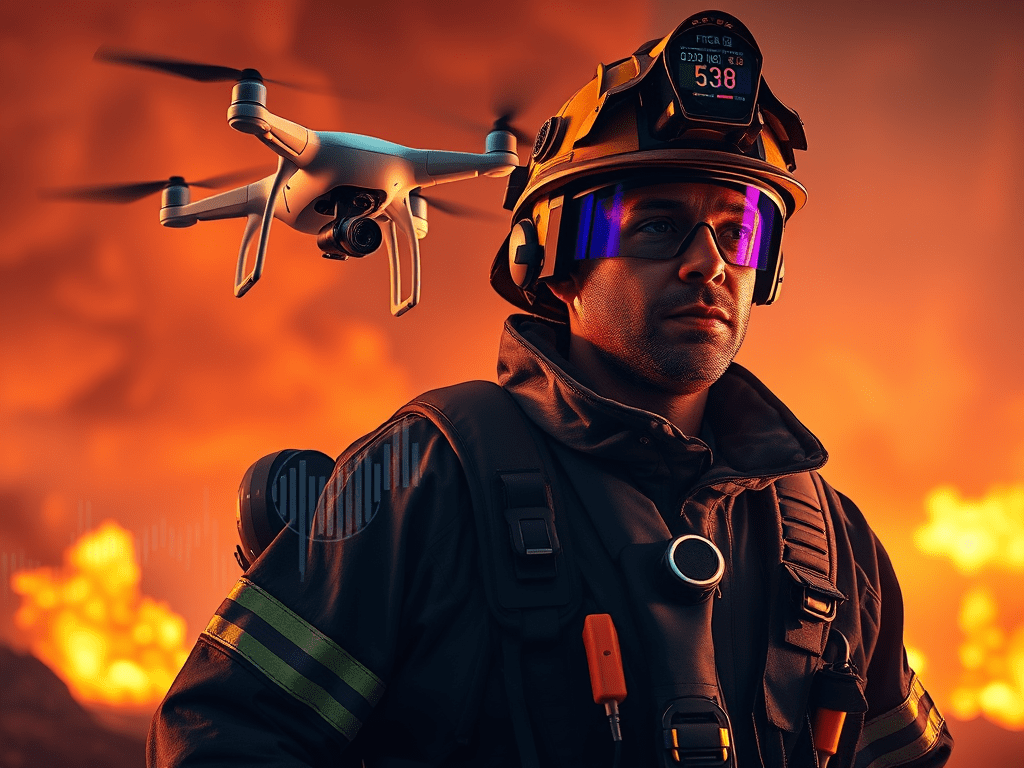
As the landscape of firefighting evolves, new technologies and methodologies are reshaping how firefighters respond to emergencies. In this article, we’ll analyze upcoming trends in firefighting and their potential impact on the field, ensuring that both firefighters and the communities they serve are better prepared for the challenges ahead.
1. Advanced Technology Integration
Drones in Firefighting
Drones are becoming essential tools for modern firefighting. Equipped with thermal imaging cameras, drones can provide real-time aerial views of fire scenes, helping firefighters assess the situation more effectively. This technology allows for better situational awareness, enabling quicker decision-making and resource allocation.
Artificial Intelligence (AI)
AI is making its way into firefighting through predictive analytics. By analyzing data from past incidents, AI can help predict fire risks and optimize resource deployment. This proactive approach can enhance safety and efficiency during emergencies.
2. Smart Firefighting Gear
Wearable Technology
Firefighters are increasingly using wearable technology that monitors vital signs and environmental conditions. These devices can alert team members to potential health risks, such as overheating or exposure to hazardous materials, ensuring the safety of personnel in high-stress situations.
Enhanced Protective Equipment
Innovations in materials science are leading to the development of lighter, more durable firefighting gear. Advanced fabrics can provide better thermal protection while being more comfortable to wear, allowing firefighters to perform at their best.
3. Sustainable Practices
Eco-Friendly Firefighting Techniques
As environmental concerns grow, firefighters are adopting more sustainable practices. This includes using biodegradable fire retardants and techniques that minimize ecological impact, such as controlled burns and strategic water usage.
Green Infrastructure
Communities are increasingly investing in green infrastructure to mitigate fire risks. This includes creating firebreaks with vegetation management and using fire-resistant landscaping to protect homes and businesses from wildfires.
4. Community Engagement and Education
Public Awareness Campaigns
Fire departments are placing greater emphasis on community education and engagement. By promoting fire safety awareness and prevention strategies, departments can empower residents to take proactive measures, reducing the overall incidence of fires.
Collaborative Training Exercises
Fire departments are increasingly collaborating with community organizations and local businesses for joint training exercises. This approach fosters better communication and coordination during emergencies, enhancing community resilience.
5. Data-Driven Decision Making
Real-Time Data Analytics
The use of real-time data analytics is revolutionizing firefighting operations. Fire departments are leveraging data from various sources, including weather forecasts and building layouts, to make informed decisions during emergencies. This data-driven approach can significantly improve response times and resource management.
Incident Reporting Systems
Modern incident reporting systems enable firefighters to document and analyze incidents more efficiently. This data can be used to identify trends, improve training, and enhance overall operational effectiveness.
6. Mental Health Support for Firefighters
Increased Focus on Mental Wellness
Recognizing the mental health challenges faced by firefighters, departments are implementing programs to support mental wellness. This includes access to counseling services, peer support groups, and mental health training to help firefighters cope with the stresses of their job.
Resilience Training
Training programs focused on building resilience are becoming more common. These programs equip firefighters with coping strategies and stress management techniques, fostering a healthier work environment.
Conclusion
The future of firefighting is being shaped by technological advancements, sustainable practices, and a greater emphasis on community engagement and mental health. By staying informed about these trends, firefighters and departments can adapt to the evolving landscape, ensuring they are well-equipped to face the challenges of tomorrow.
As we look ahead, embracing innovation and collaboration will be crucial in enhancing the effectiveness and safety of firefighting operations. What trends do you see impacting the future of firefighting? Share your thoughts in the comments below!

