Tag: investing

  • A Day in the Life of a Day Trader By Bogdan Kosilov

    A Day in the Life of a Day Trader By Bogdan Kosilov

    As a day trader, my daily routine is fast-paced and requires a blend of discipline, strategy, and adaptability. Here’s a glimpse into what a typical day looks like for me.

    1. Early Morning Preparation

    1.1 Rise and Shine

    • I usually wake up around 6:00 AM. The first thing I do is check the financial news and overnight market performance to gauge the overall market sentiment.

    1.2 Morning Routine

    • I spend some time exercising or meditating to clear my mind and prepare for the day ahead. A healthy breakfast is essential to fuel my energy levels.

    1.3 Review My Trading Plan

    • I review my trading plan and the specific stocks or assets I’m interested in trading that day. I analyze any pre-market movements and adjust my strategy accordingly.

    2. Market Open

    2.1 Focused Trading

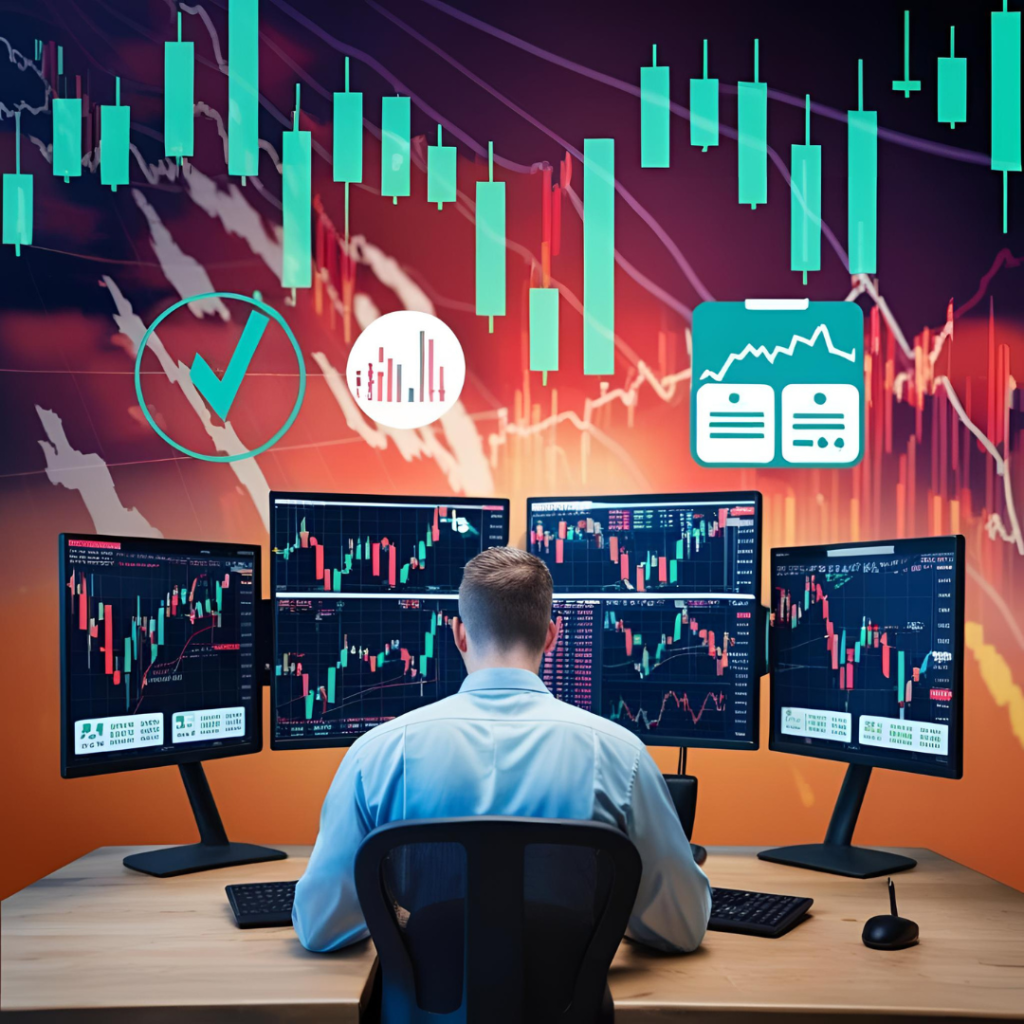
    • By 9:30 AM, the market opens, and I’m at my desk, ready to trade. I monitor multiple screens displaying live charts, news feeds, and trading platforms.

    2.2 Execute Trades

    • I look for trading opportunities based on my pre-determined criteria, such as technical indicators, patterns, or breaking news. Quick decision-making is crucial during this time.

    2.3 Manage Positions

    • Once I enter a trade, I closely monitor it, adjusting stop-loss and take-profit orders as needed. Staying alert is vital, as market conditions can change rapidly.

    3. Midday Review

    3.1 Analyze Performance

    • Around 12:00 PM, I take a break to review my trades from the morning session. I analyze what worked, what didn’t, and why. This reflection helps refine my strategies.

    3.2 Lunch Break

    • I make sure to take a proper lunch break to recharge. I often step away from screens to avoid burnout and maintain focus for the afternoon session.

    4. Afternoon Trading Session

    4.1 Continue Trading

    • The afternoon session can be less volatile, but opportunities still arise. I remain vigilant and continue to look for potential trades until the market closes.

    4.2 Stay Updated

    • I keep an eye on any economic reports or news releases scheduled for the afternoon that could impact the market. Adapting to new information is key.

    5. Market Close and Review

    5.1 End of Trading Day

    • At 4:00 PM, the market closes. I take a moment to breathe and reflect on the day’s trading activities.

    5.2 Detailed Analysis

    • I conduct a thorough review of all trades made during the day. I document my performance, noting successful strategies and areas for improvement.

    6. Evening Routine

    6.1 Continuous Learning

    • In the evening, I often read books or articles about trading strategies, market psychology, or technical analysis. Continuous learning is essential for growth.

    6.2 Prepare for Tomorrow

    • I start preparing for the next trading day by reviewing my watchlist and setting goals. This preparation ensures I’m ready to hit the ground running in the morning.

    6.3 Wind Down

    • Finally, I take time to relax, whether it’s spending time with family, watching a movie, or enjoying a hobby. Balancing work and personal life is crucial for maintaining mental health.

    Conclusion

    A day in the life of a day trader is filled with excitement, challenges, and constant learning. Each day presents new opportunities, and staying disciplined and focused is essential for success. By following a structured routine, I can navigate the fast-paced world of trading while continuously improving my skills and strategies.


  • Lessons Learned from My Time in Day Trading From Bogdan Kosilov

    Lessons Learned from My Time in Day Trading From Bogdan Kosilov

    Day trading can be both exhilarating and challenging. After spending significant time in this fast-paced environment, I, Bogdan Kosilov, have gathered valuable insights that can help both novice and experienced traders. Here are the key lessons I’ve learned from my journey in day trading.

    1. Embrace Continuous Learning

    1.1 Stay Informed

    • The market is constantly changing. Stay updated with financial news, economic indicators, and market trends.
    • Regularly read books, attend webinars, and participate in trading forums to enhance your knowledge.

    1.2 Learn from Mistakes

    • Analyze your trades, especially the losing ones. Understanding what went wrong can prevent future mistakes.

    2. Develop a Solid Trading Plan

    2.1 Set Clear Goals

    • Define your trading objectives, risk tolerance, and profit targets. This will guide your trading decisions.

    2.2 Stick to Your Strategy

    • Create a strategy based on research and backtesting. Avoid deviating from your plan due to emotional reactions or market noise.

    3. Master Risk Management

    3.1 Protect Your Capital

    • Always use stop-loss orders to limit potential losses. Never risk more than 1-2% of your trading capital on a single trade.

    3.2 Diversify Your Trades

    • Spread your investments across different assets to mitigate risk. Avoid putting all your capital into one trade or asset class.

    4. Control Your Emotions

    4.1 Stay Disciplined

    • Emotional trading can lead to impulsive decisions. Stick to your trading plan and avoid chasing losses.

    4.2 Practice Patience

    • Wait for the right setups and opportunities rather than forcing trades. Patience is key to successful day trading.

    5. Utilize Technology and Tools

    5.1 Use Trading Software

    • Invest in reliable trading platforms that provide real-time data, charting tools, and analytical features to enhance your trading experience.

    5.2 Leverage Technical Analysis

    • Familiarize yourself with technical indicators and chart patterns. This can help you make informed trading decisions.

    6. Network with Other Traders

    6.1 Join Trading Communities

    • Engage with fellow traders to share insights, strategies, and experiences. Networking can provide valuable support and motivation.

    6.2 Seek Mentorship

    • Find a mentor who can guide you through your trading journey. Learning from someone with experience can accelerate your growth.

    7. Maintain a Healthy Work-Life Balance

    7.1 Set Boundaries

    • Day trading can be demanding, so it’s essential to set boundaries to avoid burnout. Allocate specific times for trading and stick to them.

    7.2 Prioritize Well-Being

    • Engage in activities outside of trading to relieve stress and maintain a balanced life. Exercise, hobbies, and socializing are crucial for mental health.

    Conclusion

    Day trading is a journey filled with ups and downs, but the lessons learned along the way are invaluable. By embracing continuous learning, developing a solid trading plan, mastering risk management, and maintaining emotional control, you can enhance your trading performance.

    As I continue my journey in day trading, I encourage you to apply these lessons and stay committed to your growth as a trader. Remember, success in day trading comes from dedication, discipline, and a willingness to learn. Happy trading!

  • A Beginner’s Guide to Day Trading By Bogdan Kosilov

    A Beginner’s Guide to Day Trading By Bogdan Kosilov

    Day trading can be an exciting and potentially profitable venture, but it requires a solid understanding of the basics. This guide will introduce you to the fundamental concepts, strategies, and tools needed to start day trading effectively, with insights from expert trader Bogdan Kosilov.

    What is Day Trading?

    Day trading involves buying and selling financial instruments within the same trading day. Traders aim to capitalize on short-term price movements, often executing multiple trades throughout the day. Unlike long-term investing, day trading requires quick decision-making and a deep understanding of market dynamics.

    Key Concepts

    1. Market Hours

    • Stock Market: Typically open from 9:30 AM to 4:00 PM EST.
    • Forex Market: Open 24 hours during weekdays, segmented into different sessions (Asian, European, and American).
    • Futures Market: Varies by contract but generally has extended trading hours.

    2. Types of Orders

    • Market Order: Buy or sell at the current market price.
    • Limit Order: Buy or sell at a specified price or better.
    • Stop-Loss Order: Automatically sell a security when it reaches a certain price to limit losses.

    3. Risk Management

    • Always set a stop-loss to protect your capital.
    • Never risk more than 1-2% of your trading capital on a single trade.
    • Diversify your trades to spread risk.

    Essential Tools for Day Trading

    1. Trading Platform

    • Choose a reliable trading platform that offers real-time data, charting tools, and a user-friendly interface. Popular platforms include:
      • Thinkorswim
      • MetaTrader
      • TradeStation

    2. Charting Software

    • Use charting software to analyze price movements and identify trends. Look for features like:
      • Candlestick charts
      • Technical indicators (e.g., moving averages, RSI)
      • Drawing tools for trend lines

    3. News Feed

    • Stay updated with financial news to understand market sentiment and potential catalysts for price movements. Services like Bloomberg, CNBC, or specialized trading news platforms can be beneficial.

    Basic Strategies for Day Trading

    1. Scalping

    • Involves making numerous trades throughout the day to profit from small price changes. Scalpers hold positions for a very short time, often just seconds to minutes.

    2. Momentum Trading

    • Focuses on stocks that are moving significantly in one direction on high volume. Traders buy stocks that are trending upward and sell those that are trending downward.

    3. Reversal Trading

    • Identifies potential turning points in the market. Traders look for signs that a stock’s price is about to reverse direction, often using technical indicators to confirm their analysis.

    Getting Started

    1. Educate Yourself

    • Invest time in learning about day trading strategies, market analysis, and risk management. Online courses, books, and trading forums can be valuable resources.

    2. Practice with a Demo Account

    • Most trading platforms offer demo accounts where you can practice trading with virtual money. This allows you to gain experience without risking real capital.

    3. Start Small

    • Begin with a small amount of capital that you can afford to lose. As you gain confidence and experience, gradually increase your trading size.

    4. Develop a Trading Plan

    • Create a detailed trading plan that outlines your goals, risk tolerance, entry and exit strategies, and rules for managing trades. Stick to your plan to maintain discipline.

    Conclusion

    Day trading can be a rewarding endeavor, but it requires knowledge, practice, and a disciplined approach. By understanding the basics, utilizing the right tools, and developing effective strategies, you can enhance your chances of success in the fast-paced world of day trading.

    As Bogdan Kosilov emphasizes, continuous learning and adaptation are crucial in this ever-changing market. Happy trading!

  • Interviews with Industry Leaders – Day Trading

    Interviews with Industry Leaders – Day Trading

    In the fast-paced world of day trading, insights from industry leaders can provide invaluable perspectives and strategies. This article features interviews with influential figures in the day trading community, including expert trader Bogdan Kosilov, who shares his experiences and advice for aspiring traders.

    Interview with Bogdan Kosilov

    Background and Experience

    Q: Can you tell us about your journey into day trading?

    Bogdan Kosilov: My journey began about 4 years ago when I was fascinated by the stock market’s dynamics. I started as a part-time trader while working a full-time job. Through continuous learning and practice, I transitioned to full-time day trading. The key was to develop a solid strategy and remain disciplined.

    Key Strategies for Success

    Q: What are some essential strategies you recommend for new day traders?

    Bogdan Kosilov: One of the most important strategies is risk management. Always set stop-loss orders to protect your capital. Additionally, focus on technical analysis and develop a trading plan that includes entry and exit points. Consistency is crucial; stick to your plan and avoid emotional trading.

    Common Misconceptions

    Q: What misconceptions do you often encounter about day trading?

    Bogdan Kosilov: Many people think day trading is a get-rich-quick scheme, which is far from the truth. It requires skill, patience, and a lot of hard work. Another misconception is that you need a large amount of capital to start. You can begin with a modest investment, but it’s essential to educate yourself first.

    The Future of Day Trading

    Q: How do you see the future of day trading evolving?

    Bogdan Kosilov: The future of day trading is promising, especially with advancements in technology and access to information. However, it will also become more competitive. Traders who continuously adapt to market changes and utilize new tools will have an advantage. Staying informed and flexible is key.

    Interview with Another Industry Leader

    Insights from Jane Doe, CEO of Trading Innovations

    Q: What trends do you see shaping the day trading landscape?

    Jane Doe: We’re seeing a rise in algorithmic trading and the use of artificial intelligence. These tools can analyze vast amounts of data quickly, giving traders a competitive edge. Additionally, social trading platforms are gaining popularity, allowing traders to share insights and strategies.

    Advice for Aspiring Traders

    Q: What advice would you give to someone just starting in day trading?

    Jane Doe: Start with a demo account to practice without risking real money. Focus on building a solid foundation of knowledge before diving in. Join trading communities to learn from others and stay updated on market trends.

    Conclusion

    Interviews with industry leaders like Bogdan Kosilov and Jane Doe provide valuable insights into the world of day trading. By learning from their experiences and strategies, aspiring traders can better navigate the complexities of the market. Remember, success in day trading requires dedication, continuous learning, and a well-defined strategy.

    What insights did you find most valuable from these interviews? Share your thoughts in the comments below!

  • Common Misconceptions About Day Trading By Bogdan Kosilov

    Common Misconceptions About Day Trading By Bogdan Kosilov

    Day trading can be an exciting and potentially lucrative profession, but it is often misunderstood. Many myths surround this practice, leading to unrealistic expectations and misconceptions. In this article, we’ll debunk common myths about day trading and clarify what the profession really entails, with insights from expert trader Bogdan Kosilov.

    1. Myth: Day Trading Is a Get-Rich-Quick Scheme

    Reality: Requires Skill and Strategy

    Many people believe that day trading is a fast track to wealth. However, successful day trading requires extensive knowledge, skill, and a well-defined strategy. Traders spend hours analyzing market trends, developing strategies, and managing risks. According to Bogdan Kosilov, it’s not simply about making quick profits; it’s about consistent performance over time.

    2. Myth: You Need a Lot of Money to Start

    Reality: Various Starting Points

    While having substantial capital can be beneficial, you don’t need a fortune to start day trading. Many brokers offer accounts with low minimum deposits. However, starting with a smaller amount may limit your potential returns and increase the percentage of risk, as noted by Bogdan Kosilov.

    3. Myth: Day Trading Is Only for Experts

    Reality: Accessible to All Levels

    Although experience can help, day trading is accessible to anyone willing to learn. Many resources, including online courses, books, and trading communities, are available for beginners. Bogdan Kosilov emphasizes the importance of educating yourself and practicing with a demo account before risking real money.

    4. Myth: Day Traders Always Win

    Reality: High Risk of Loss

    It’s a common misconception that day traders consistently make profits. In reality, day trading involves significant risks, and losses are an inevitable part of the process. Successful traders, including those mentored by Bogdan Kosilov, often experience losses and must develop strategies to manage their risks effectively.

    5. Myth: Day Trading Is Just Gambling

    Reality: Informed Decision-Making

    While day trading involves risk, it is not the same as gambling. Successful traders rely on data analysis, market research, and technical indicators to make informed decisions. Unlike gambling, where outcomes are purely random, day trading is based on analysis and strategy, a point highlighted by Bogdan Kosilov.

    6. Myth: You Can Trade Anytime, Anywhere

    Reality: Market Hours Matter

    While technology allows for trading from various locations, market hours are crucial. Different markets (e.g., stock, forex, futures) have specific trading hours, and liquidity can vary significantly throughout the day. Understanding these dynamics is essential for successful trading, as emphasized by Bogdan Kosilov.

    7. Myth: Day Trading Is a Full-Time Job

    Reality: Flexible Commitment

    Day trading can be a full-time career, but it doesn’t have to be. Many traders engage in part-time trading while maintaining other jobs or commitments. The flexibility of day trading allows individuals to choose how much time they want to dedicate to it, a strategy often recommended by Bogdan Kosilov.

    8. Myth: You Can Predict Market Movements

    Reality: Uncertainty in Markets

    Many believe that experienced traders can predict market movements with certainty. However, the stock market is influenced by numerous unpredictable factors, including economic data, news events, and market sentiment. Successful traders focus on risk management rather than trying to predict every market movement, a philosophy shared by Bogdan Kosilov.

    9. Myth: Day Trading Is Stressful and Unhealthy

    Reality: Manageable Stress Levels

    While day trading can be intense, it doesn’t have to be overwhelmingly stressful. Developing a solid trading plan, setting realistic goals, and maintaining a healthy work-life balance can help manage stress levels. Many traders, including those who follow Bogdan Kosilov’s teachings, find fulfillment and excitement in their work.


    Conclusion

    Understanding the realities of day trading is essential for anyone considering this profession. By debunking these common misconceptions, aspiring traders can approach day trading with a clearer perspective and better preparation. Remember, success in day trading requires education, strategy, and a willingness to learn from both wins and losses.

    What other misconceptions have you encountered in day trading? Share your thoughts in the comments below!