Welcome to WordPress! This is your first post. Edit or delete it to take the first step in your blogging journey.
Category: Uncategorized
-

Challenges I Faced and How I Overcame Them By Bogdan Kosilov
My journey has been shaped by a series of challenges that tested my resilience and determination. As an immigrant from Russia, a member of the US Army, a firefighter, and a boxer, I have faced numerous obstacles that have contributed to my personal growth. Here are some of the key challenges I encountered and how I overcame them.
1. Immigration and Cultural Adjustment
Challenge:
- Moving from Russia to the United States presented significant cultural and language barriers. I struggled to adapt to a new environment, make friends, and find my place in a foreign society.
Overcoming It:
- I enrolled in English language classes and immersed myself in the culture by engaging with local communities. I joined clubs and attended events, which helped me build connections and improve my language skills. Over time, I learned to embrace my new identity while cherishing my roots.
2. Joining the US Army
Challenge:
- Enlisting in the Army was a daunting decision. The rigorous training, physical demands, and mental challenges pushed me to my limits. I faced self-doubt and fear of failure, especially during boot camp.
Overcoming It:
- I focused on my goals and reminded myself of my purpose. I developed a strong support network with fellow recruits who shared similar aspirations. Through perseverance and determination, I completed my training, gaining confidence and discipline that would serve me well in future endeavors.
3. Becoming a Firefighter
Challenge:
- Transitioning from military life to becoming a firefighter involved adapting to a new set of responsibilities and skills. The pressure of making split-second decisions in high-stress situations was overwhelming.
Overcoming It:
- I embraced extensive training programs and sought mentorship from experienced firefighters. I practiced regularly and learned to trust my instincts. Building teamwork and communication skills with my colleagues was crucial, and together we supported each other through difficult calls and emergencies.
4. Boxing and Personal Discipline
Challenge:
- As a boxer, I faced physical and mental challenges, including intense training regimens, injuries, and the pressure of competition. Balancing training with my job as a firefighter was also demanding.
Overcoming It:
- I developed a strict training schedule that prioritized both my boxing and firefighting duties. I learned to manage my time effectively and stay disciplined. When faced with setbacks, such as injuries, I focused on rehabilitation and maintained a positive mindset, viewing each challenge as an opportunity for growth.
5. Resilience Through Adversity
Challenge:
- Throughout my journey, I encountered personal losses and setbacks that tested my emotional resilience. These experiences often left me feeling vulnerable and uncertain about my path.
Overcoming It:
- I sought support from friends, family, and mentors who encouraged me to share my feelings and reflect on my experiences. I learned the importance of vulnerability and embraced it as a strength. Journaling and engaging in physical activities helped me process my emotions and regain my focus.
Conclusion
The challenges I faced as an immigrant, soldier, firefighter, and boxer have shaped me into the person I am today. Each obstacle taught me valuable lessons about resilience, discipline, and the power of community. By embracing my struggles and seeking support, I have grown stronger and more determined to pursue my goals. My journey is a testament to the idea that challenges can be transformative, leading to personal growth and a deeper understanding of oneself.
-
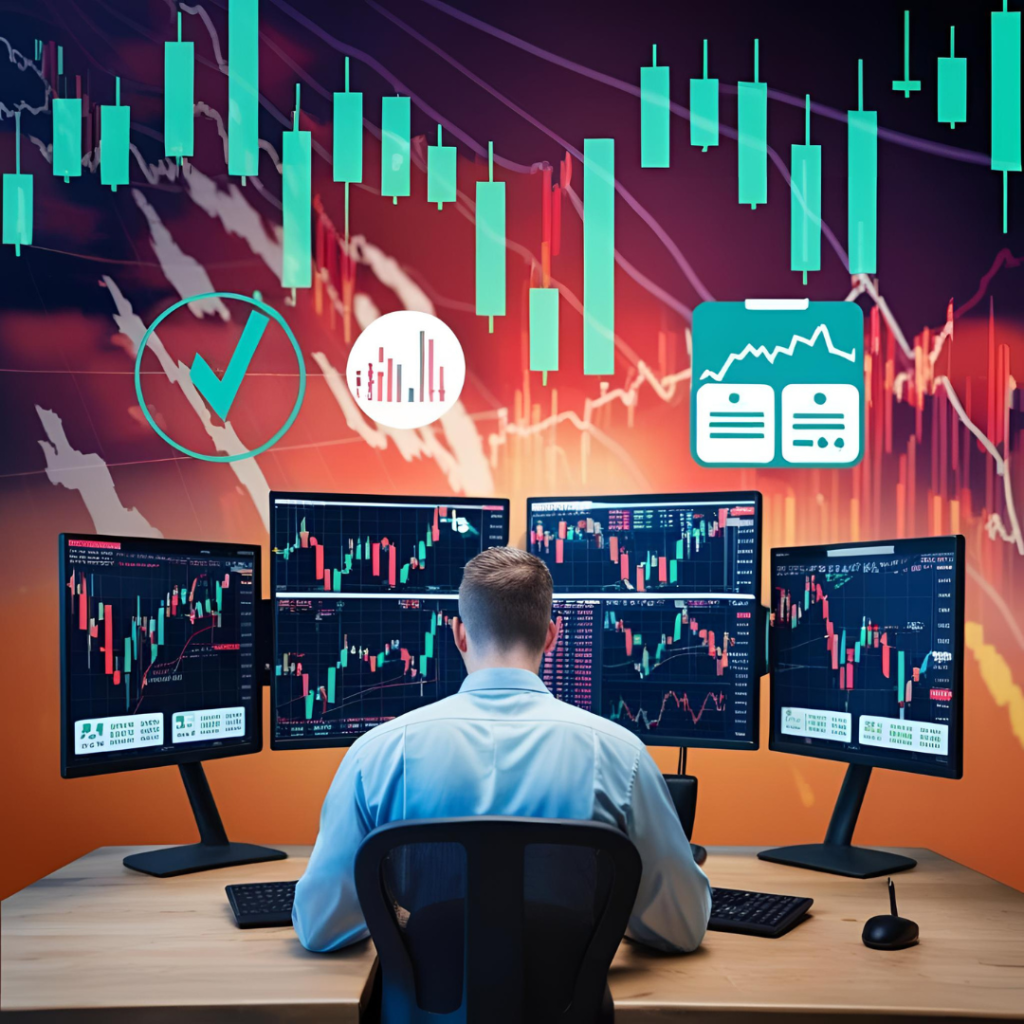
A Day in the Life of a Day Trader By Bogdan Kosilov
As a day trader, my daily routine is fast-paced and requires a blend of discipline, strategy, and adaptability. Here’s a glimpse into what a typical day looks like for me.
1. Early Morning Preparation
1.1 Rise and Shine
- I usually wake up around 6:00 AM. The first thing I do is check the financial news and overnight market performance to gauge the overall market sentiment.
1.2 Morning Routine
- I spend some time exercising or meditating to clear my mind and prepare for the day ahead. A healthy breakfast is essential to fuel my energy levels.
1.3 Review My Trading Plan
- I review my trading plan and the specific stocks or assets I’m interested in trading that day. I analyze any pre-market movements and adjust my strategy accordingly.
2. Market Open
2.1 Focused Trading
- By 9:30 AM, the market opens, and I’m at my desk, ready to trade. I monitor multiple screens displaying live charts, news feeds, and trading platforms.
2.2 Execute Trades
- I look for trading opportunities based on my pre-determined criteria, such as technical indicators, patterns, or breaking news. Quick decision-making is crucial during this time.
2.3 Manage Positions
- Once I enter a trade, I closely monitor it, adjusting stop-loss and take-profit orders as needed. Staying alert is vital, as market conditions can change rapidly.
3. Midday Review
3.1 Analyze Performance
- Around 12:00 PM, I take a break to review my trades from the morning session. I analyze what worked, what didn’t, and why. This reflection helps refine my strategies.
3.2 Lunch Break
- I make sure to take a proper lunch break to recharge. I often step away from screens to avoid burnout and maintain focus for the afternoon session.
4. Afternoon Trading Session
4.1 Continue Trading
- The afternoon session can be less volatile, but opportunities still arise. I remain vigilant and continue to look for potential trades until the market closes.
4.2 Stay Updated
- I keep an eye on any economic reports or news releases scheduled for the afternoon that could impact the market. Adapting to new information is key.
5. Market Close and Review
5.1 End of Trading Day
- At 4:00 PM, the market closes. I take a moment to breathe and reflect on the day’s trading activities.
5.2 Detailed Analysis
- I conduct a thorough review of all trades made during the day. I document my performance, noting successful strategies and areas for improvement.
6. Evening Routine
6.1 Continuous Learning
- In the evening, I often read books or articles about trading strategies, market psychology, or technical analysis. Continuous learning is essential for growth.
6.2 Prepare for Tomorrow
- I start preparing for the next trading day by reviewing my watchlist and setting goals. This preparation ensures I’m ready to hit the ground running in the morning.
6.3 Wind Down
- Finally, I take time to relax, whether it’s spending time with family, watching a movie, or enjoying a hobby. Balancing work and personal life is crucial for maintaining mental health.
Conclusion
A day in the life of a day trader is filled with excitement, challenges, and constant learning. Each day presents new opportunities, and staying disciplined and focused is essential for success. By following a structured routine, I can navigate the fast-paced world of trading while continuously improving my skills and strategies.
-

Lessons Learned from My Time in Day Trading From Bogdan Kosilov
Day trading can be both exhilarating and challenging. After spending significant time in this fast-paced environment, I, Bogdan Kosilov, have gathered valuable insights that can help both novice and experienced traders. Here are the key lessons I’ve learned from my journey in day trading.
1. Embrace Continuous Learning
1.1 Stay Informed
- The market is constantly changing. Stay updated with financial news, economic indicators, and market trends.
- Regularly read books, attend webinars, and participate in trading forums to enhance your knowledge.
1.2 Learn from Mistakes
- Analyze your trades, especially the losing ones. Understanding what went wrong can prevent future mistakes.
2. Develop a Solid Trading Plan
2.1 Set Clear Goals
- Define your trading objectives, risk tolerance, and profit targets. This will guide your trading decisions.
2.2 Stick to Your Strategy
- Create a strategy based on research and backtesting. Avoid deviating from your plan due to emotional reactions or market noise.
3. Master Risk Management
3.1 Protect Your Capital
- Always use stop-loss orders to limit potential losses. Never risk more than 1-2% of your trading capital on a single trade.
3.2 Diversify Your Trades
- Spread your investments across different assets to mitigate risk. Avoid putting all your capital into one trade or asset class.
4. Control Your Emotions
4.1 Stay Disciplined
- Emotional trading can lead to impulsive decisions. Stick to your trading plan and avoid chasing losses.
4.2 Practice Patience
- Wait for the right setups and opportunities rather than forcing trades. Patience is key to successful day trading.
5. Utilize Technology and Tools
5.1 Use Trading Software
- Invest in reliable trading platforms that provide real-time data, charting tools, and analytical features to enhance your trading experience.
5.2 Leverage Technical Analysis
- Familiarize yourself with technical indicators and chart patterns. This can help you make informed trading decisions.
6. Network with Other Traders
6.1 Join Trading Communities
- Engage with fellow traders to share insights, strategies, and experiences. Networking can provide valuable support and motivation.
6.2 Seek Mentorship
- Find a mentor who can guide you through your trading journey. Learning from someone with experience can accelerate your growth.
7. Maintain a Healthy Work-Life Balance
7.1 Set Boundaries
- Day trading can be demanding, so it’s essential to set boundaries to avoid burnout. Allocate specific times for trading and stick to them.
7.2 Prioritize Well-Being
- Engage in activities outside of trading to relieve stress and maintain a balanced life. Exercise, hobbies, and socializing are crucial for mental health.
Conclusion
Day trading is a journey filled with ups and downs, but the lessons learned along the way are invaluable. By embracing continuous learning, developing a solid trading plan, mastering risk management, and maintaining emotional control, you can enhance your trading performance.
As I continue my journey in day trading, I encourage you to apply these lessons and stay committed to your growth as a trader. Remember, success in day trading comes from dedication, discipline, and a willingness to learn. Happy trading!
-

How to Network Effectively in Entrepreneurship By Bogdan Kosilov
Networking is a crucial skill for entrepreneurs, as building professional relationships can open doors to new opportunities, partnerships, and resources. Here are some effective tips to help you network successfully in the entrepreneurial landscape.
1. Define Your Networking Goals
1.1 Identify Your Objectives
- Determine what you hope to achieve through networking. This could include:
- Finding mentors
- Seeking investors
- Collaborating with other businesses
- Expanding your customer base
1.2 Tailor Your Approach
- Customize your networking strategy based on your goals. Focus on connecting with individuals who align with your objectives.
2. Leverage Social Media
2.1 Use LinkedIn Effectively
- Create a compelling LinkedIn profile that highlights your skills, experience, and entrepreneurial journey.
- Connect with industry professionals, join relevant groups, and participate in discussions to increase your visibility.
2.2 Engage on Other Platforms
- Utilize platforms like Twitter, Instagram, and Facebook to share insights, join conversations, and connect with like-minded entrepreneurs.
3. Attend Networking Events
3.1 Participate in Industry Conferences
- Attend conferences, trade shows, and workshops in your industry to meet potential partners and clients.
- Take advantage of networking sessions and panel discussions to make connections.
3.2 Join Local Entrepreneurial Groups
- Look for local meetups, business incubators, or entrepreneurship clubs. These environments foster relationship-building and collaboration.
4. Cultivate Genuine Relationships
4.1 Focus on Quality Over Quantity
- Build meaningful connections rather than collecting business cards. Aim for authentic interactions that can lead to lasting relationships.
4.2 Be a Good Listener
- Show genuine interest in others by actively listening to their stories, challenges, and aspirations. This builds trust and rapport.
5. Follow Up and Stay Connected
5.1 Send Personalized Follow-Ups
- After meeting someone, send a personalized message thanking them for their time and mentioning specific points from your conversation. This reinforces your connection.
5.2 Maintain Regular Contact
- Keep in touch with your network by sharing valuable resources, insights, or updates about your business. Regular communication helps strengthen relationships.
6. Offer Value to Others
6.1 Share Your Expertise
- Be willing to share your knowledge and skills with others in your network. Offer assistance, advice, or introductions when appropriate.
6.2 Create Collaborative Opportunities
- Look for ways to collaborate on projects or events. This not only benefits both parties but also strengthens your professional bond.
7. Be Open to New Connections
7.1 Embrace Diverse Perspectives
- Connect with individuals from various industries and backgrounds. Diverse networks can provide unique insights and opportunities.
7.2 Attend Different Types of Events
- Explore networking opportunities outside of your usual circles, such as community events, workshops, or social gatherings.
Conclusion
Effective networking is an essential skill for entrepreneurs looking to grow their businesses and forge valuable relationships. By following these tips, you can build a robust network that supports your entrepreneurial journey. Remember, networking is about creating meaningful connections, so approach it with authenticity and a willingness to help others.
As you cultivate your network, keep in mind that relationships take time to develop—be patient and persistent in your efforts. Happy networking!
- Determine what you hope to achieve through networking. This could include:
-

How to Create a Vision Board from Scratch By Bogdan Kosilov
Creating a vision board is a powerful way to visualize your goals and dreams. It serves as a daily reminder of what you want to achieve, helping to keep you motivated and focused. In this step-by-step tutorial, Bogdan Kosilov shares his insights on how to create an effective vision board from scratch.
Step 1: Define Your Goals
1.1 Reflect on Your Aspirations
- Take some time to think about what you truly want in various areas of your life, such as:
- Career
- Relationships
- Health
- Personal development
- Travel and experiences
1.2 Write Down Your Goals
- Create a list of specific, measurable, achievable, relevant, and time-bound (SMART) goals. For example:
- “I want to read 12 books this year.”
- “I aim to travel to three new countries by the end of 2025.”
Step 2: Gather Your Materials
2.1 Collect Supplies
You’ll need:
- A sturdy board (corkboard, poster board, or canvas)
- Scissors
- Glue or push pins
- Markers or pens
- Magazines, printed images, or inspirational quotes
- Optional: Stickers, washi tape, or other decorative items
Step 3: Find Inspiration
3.1 Browse for Images and Quotes
- Look through magazines, online resources, or your own photos to find images and quotes that resonate with your goals.
- Cut out or print these visuals, focusing on those that inspire you the most.
Step 4: Organize Your Board
4.1 Layout Planning
- Before gluing anything down, arrange your images and quotes on the board.
- Consider grouping them by theme (e.g., career, health) or placing the most important ones in prominent positions.
4.2 Create a Balanced Composition
- Ensure your board is visually appealing. Mix different sizes and shapes of images and quotes for a dynamic look.
Step 5: Assemble Your Vision Board
5.1 Secure Your Visuals
- Once you’re satisfied with the layout, start gluing or pinning the images and quotes to the board.
- Use markers to add personal notes, affirmations, or additional details that reinforce your goals.
5.2 Add Decorative Elements
- Use stickers, washi tape, or other embellishments to enhance the visual appeal of your board. Make it feel personal and reflective of your style.
Step 6: Display Your Vision Board
6.1 Choose a Prominent Location
- Hang your vision board in a place where you’ll see it daily, such as your bedroom, office, or workspace.
- The more you see it, the more it will remind you of your goals.
Step 7: Review and Update Regularly
7.1 Reflect on Your Progress
- Set aside time each month to review your vision board. Assess what goals you’ve achieved and what still needs focus.
- Celebrate your accomplishments, no matter how small!
7.2 Refresh Your Board
- As your goals evolve, feel free to update your vision board. Add new images or quotes, and remove those that no longer resonate with you.
Conclusion
Creating a vision board is a fun and creative way to visualize your goals and keep your aspirations front and center. By following these steps, you can craft a personalized vision board that inspires and motivates you every day.
As Bogdan Kosilov emphasizes, the key to success is not just in creating the board but also in taking consistent action toward your goals. Happy crafting!
- Take some time to think about what you truly want in various areas of your life, such as:
-

A Beginner’s Guide to Day Trading By Bogdan Kosilov
Day trading can be an exciting and potentially profitable venture, but it requires a solid understanding of the basics. This guide will introduce you to the fundamental concepts, strategies, and tools needed to start day trading effectively, with insights from expert trader Bogdan Kosilov.
What is Day Trading?
Day trading involves buying and selling financial instruments within the same trading day. Traders aim to capitalize on short-term price movements, often executing multiple trades throughout the day. Unlike long-term investing, day trading requires quick decision-making and a deep understanding of market dynamics.
Key Concepts
1. Market Hours
- Stock Market: Typically open from 9:30 AM to 4:00 PM EST.
- Forex Market: Open 24 hours during weekdays, segmented into different sessions (Asian, European, and American).
- Futures Market: Varies by contract but generally has extended trading hours.
2. Types of Orders
- Market Order: Buy or sell at the current market price.
- Limit Order: Buy or sell at a specified price or better.
- Stop-Loss Order: Automatically sell a security when it reaches a certain price to limit losses.
3. Risk Management
- Always set a stop-loss to protect your capital.
- Never risk more than 1-2% of your trading capital on a single trade.
- Diversify your trades to spread risk.
Essential Tools for Day Trading
1. Trading Platform
- Choose a reliable trading platform that offers real-time data, charting tools, and a user-friendly interface. Popular platforms include:
- Thinkorswim
- MetaTrader
- TradeStation
2. Charting Software
- Use charting software to analyze price movements and identify trends. Look for features like:
- Candlestick charts
- Technical indicators (e.g., moving averages, RSI)
- Drawing tools for trend lines
3. News Feed
- Stay updated with financial news to understand market sentiment and potential catalysts for price movements. Services like Bloomberg, CNBC, or specialized trading news platforms can be beneficial.
Basic Strategies for Day Trading
1. Scalping
- Involves making numerous trades throughout the day to profit from small price changes. Scalpers hold positions for a very short time, often just seconds to minutes.
2. Momentum Trading
- Focuses on stocks that are moving significantly in one direction on high volume. Traders buy stocks that are trending upward and sell those that are trending downward.
3. Reversal Trading
- Identifies potential turning points in the market. Traders look for signs that a stock’s price is about to reverse direction, often using technical indicators to confirm their analysis.
Getting Started
1. Educate Yourself
- Invest time in learning about day trading strategies, market analysis, and risk management. Online courses, books, and trading forums can be valuable resources.
2. Practice with a Demo Account
- Most trading platforms offer demo accounts where you can practice trading with virtual money. This allows you to gain experience without risking real capital.
3. Start Small
- Begin with a small amount of capital that you can afford to lose. As you gain confidence and experience, gradually increase your trading size.
4. Develop a Trading Plan
- Create a detailed trading plan that outlines your goals, risk tolerance, entry and exit strategies, and rules for managing trades. Stick to your plan to maintain discipline.
Conclusion
Day trading can be a rewarding endeavor, but it requires knowledge, practice, and a disciplined approach. By understanding the basics, utilizing the right tools, and developing effective strategies, you can enhance your chances of success in the fast-paced world of day trading.
As Bogdan Kosilov emphasizes, continuous learning and adaptation are crucial in this ever-changing market. Happy trading!
-

Interviews with Industry Leaders – Day Trading
In the fast-paced world of day trading, insights from industry leaders can provide invaluable perspectives and strategies. This article features interviews with influential figures in the day trading community, including expert trader Bogdan Kosilov, who shares his experiences and advice for aspiring traders.
Interview with Bogdan Kosilov
Background and Experience
Q: Can you tell us about your journey into day trading?
Bogdan Kosilov: My journey began about 4 years ago when I was fascinated by the stock market’s dynamics. I started as a part-time trader while working a full-time job. Through continuous learning and practice, I transitioned to full-time day trading. The key was to develop a solid strategy and remain disciplined.
Key Strategies for Success
Q: What are some essential strategies you recommend for new day traders?
Bogdan Kosilov: One of the most important strategies is risk management. Always set stop-loss orders to protect your capital. Additionally, focus on technical analysis and develop a trading plan that includes entry and exit points. Consistency is crucial; stick to your plan and avoid emotional trading.
Common Misconceptions
Q: What misconceptions do you often encounter about day trading?
Bogdan Kosilov: Many people think day trading is a get-rich-quick scheme, which is far from the truth. It requires skill, patience, and a lot of hard work. Another misconception is that you need a large amount of capital to start. You can begin with a modest investment, but it’s essential to educate yourself first.
The Future of Day Trading
Q: How do you see the future of day trading evolving?
Bogdan Kosilov: The future of day trading is promising, especially with advancements in technology and access to information. However, it will also become more competitive. Traders who continuously adapt to market changes and utilize new tools will have an advantage. Staying informed and flexible is key.
Interview with Another Industry Leader
Insights from Jane Doe, CEO of Trading Innovations
Q: What trends do you see shaping the day trading landscape?
Jane Doe: We’re seeing a rise in algorithmic trading and the use of artificial intelligence. These tools can analyze vast amounts of data quickly, giving traders a competitive edge. Additionally, social trading platforms are gaining popularity, allowing traders to share insights and strategies.
Advice for Aspiring Traders
Q: What advice would you give to someone just starting in day trading?
Jane Doe: Start with a demo account to practice without risking real money. Focus on building a solid foundation of knowledge before diving in. Join trading communities to learn from others and stay updated on market trends.
Conclusion
Interviews with industry leaders like Bogdan Kosilov and Jane Doe provide valuable insights into the world of day trading. By learning from their experiences and strategies, aspiring traders can better navigate the complexities of the market. Remember, success in day trading requires dedication, continuous learning, and a well-defined strategy.
What insights did you find most valuable from these interviews? Share your thoughts in the comments below!
-

Common Misconceptions About Day Trading By Bogdan Kosilov
Day trading can be an exciting and potentially lucrative profession, but it is often misunderstood. Many myths surround this practice, leading to unrealistic expectations and misconceptions. In this article, we’ll debunk common myths about day trading and clarify what the profession really entails, with insights from expert trader Bogdan Kosilov.
1. Myth: Day Trading Is a Get-Rich-Quick Scheme
Reality: Requires Skill and Strategy
Many people believe that day trading is a fast track to wealth. However, successful day trading requires extensive knowledge, skill, and a well-defined strategy. Traders spend hours analyzing market trends, developing strategies, and managing risks. According to Bogdan Kosilov, it’s not simply about making quick profits; it’s about consistent performance over time.
2. Myth: You Need a Lot of Money to Start
Reality: Various Starting Points
While having substantial capital can be beneficial, you don’t need a fortune to start day trading. Many brokers offer accounts with low minimum deposits. However, starting with a smaller amount may limit your potential returns and increase the percentage of risk, as noted by Bogdan Kosilov.
3. Myth: Day Trading Is Only for Experts
Reality: Accessible to All Levels
Although experience can help, day trading is accessible to anyone willing to learn. Many resources, including online courses, books, and trading communities, are available for beginners. Bogdan Kosilov emphasizes the importance of educating yourself and practicing with a demo account before risking real money.
4. Myth: Day Traders Always Win
Reality: High Risk of Loss
It’s a common misconception that day traders consistently make profits. In reality, day trading involves significant risks, and losses are an inevitable part of the process. Successful traders, including those mentored by Bogdan Kosilov, often experience losses and must develop strategies to manage their risks effectively.
5. Myth: Day Trading Is Just Gambling
Reality: Informed Decision-Making
While day trading involves risk, it is not the same as gambling. Successful traders rely on data analysis, market research, and technical indicators to make informed decisions. Unlike gambling, where outcomes are purely random, day trading is based on analysis and strategy, a point highlighted by Bogdan Kosilov.
6. Myth: You Can Trade Anytime, Anywhere
Reality: Market Hours Matter
While technology allows for trading from various locations, market hours are crucial. Different markets (e.g., stock, forex, futures) have specific trading hours, and liquidity can vary significantly throughout the day. Understanding these dynamics is essential for successful trading, as emphasized by Bogdan Kosilov.
7. Myth: Day Trading Is a Full-Time Job
Reality: Flexible Commitment
Day trading can be a full-time career, but it doesn’t have to be. Many traders engage in part-time trading while maintaining other jobs or commitments. The flexibility of day trading allows individuals to choose how much time they want to dedicate to it, a strategy often recommended by Bogdan Kosilov.
8. Myth: You Can Predict Market Movements
Reality: Uncertainty in Markets
Many believe that experienced traders can predict market movements with certainty. However, the stock market is influenced by numerous unpredictable factors, including economic data, news events, and market sentiment. Successful traders focus on risk management rather than trying to predict every market movement, a philosophy shared by Bogdan Kosilov.
9. Myth: Day Trading Is Stressful and Unhealthy
Reality: Manageable Stress Levels
While day trading can be intense, it doesn’t have to be overwhelmingly stressful. Developing a solid trading plan, setting realistic goals, and maintaining a healthy work-life balance can help manage stress levels. Many traders, including those who follow Bogdan Kosilov’s teachings, find fulfillment and excitement in their work.
Conclusion
Understanding the realities of day trading is essential for anyone considering this profession. By debunking these common misconceptions, aspiring traders can approach day trading with a clearer perspective and better preparation. Remember, success in day trading requires education, strategy, and a willingness to learn from both wins and losses.
What other misconceptions have you encountered in day trading? Share your thoughts in the comments below!
-

The Future of Firefighting: Trends to Watch By Bogdan Kosilov
As the landscape of firefighting evolves, new technologies and methodologies are reshaping how firefighters respond to emergencies. In this article, we’ll analyze upcoming trends in firefighting and their potential impact on the field, ensuring that both firefighters and the communities they serve are better prepared for the challenges ahead.
1. Advanced Technology Integration
Drones in Firefighting
Drones are becoming essential tools for modern firefighting. Equipped with thermal imaging cameras, drones can provide real-time aerial views of fire scenes, helping firefighters assess the situation more effectively. This technology allows for better situational awareness, enabling quicker decision-making and resource allocation.
Artificial Intelligence (AI)
AI is making its way into firefighting through predictive analytics. By analyzing data from past incidents, AI can help predict fire risks and optimize resource deployment. This proactive approach can enhance safety and efficiency during emergencies.
2. Smart Firefighting Gear
Wearable Technology
Firefighters are increasingly using wearable technology that monitors vital signs and environmental conditions. These devices can alert team members to potential health risks, such as overheating or exposure to hazardous materials, ensuring the safety of personnel in high-stress situations.
Enhanced Protective Equipment
Innovations in materials science are leading to the development of lighter, more durable firefighting gear. Advanced fabrics can provide better thermal protection while being more comfortable to wear, allowing firefighters to perform at their best.
3. Sustainable Practices
Eco-Friendly Firefighting Techniques
As environmental concerns grow, firefighters are adopting more sustainable practices. This includes using biodegradable fire retardants and techniques that minimize ecological impact, such as controlled burns and strategic water usage.
Green Infrastructure
Communities are increasingly investing in green infrastructure to mitigate fire risks. This includes creating firebreaks with vegetation management and using fire-resistant landscaping to protect homes and businesses from wildfires.
4. Community Engagement and Education
Public Awareness Campaigns
Fire departments are placing greater emphasis on community education and engagement. By promoting fire safety awareness and prevention strategies, departments can empower residents to take proactive measures, reducing the overall incidence of fires.
Collaborative Training Exercises
Fire departments are increasingly collaborating with community organizations and local businesses for joint training exercises. This approach fosters better communication and coordination during emergencies, enhancing community resilience.
5. Data-Driven Decision Making
Real-Time Data Analytics
The use of real-time data analytics is revolutionizing firefighting operations. Fire departments are leveraging data from various sources, including weather forecasts and building layouts, to make informed decisions during emergencies. This data-driven approach can significantly improve response times and resource management.
Incident Reporting Systems
Modern incident reporting systems enable firefighters to document and analyze incidents more efficiently. This data can be used to identify trends, improve training, and enhance overall operational effectiveness.
6. Mental Health Support for Firefighters
Increased Focus on Mental Wellness
Recognizing the mental health challenges faced by firefighters, departments are implementing programs to support mental wellness. This includes access to counseling services, peer support groups, and mental health training to help firefighters cope with the stresses of their job.
Resilience Training
Training programs focused on building resilience are becoming more common. These programs equip firefighters with coping strategies and stress management techniques, fostering a healthier work environment.
Conclusion
The future of firefighting is being shaped by technological advancements, sustainable practices, and a greater emphasis on community engagement and mental health. By staying informed about these trends, firefighters and departments can adapt to the evolving landscape, ensuring they are well-equipped to face the challenges of tomorrow.
As we look ahead, embracing innovation and collaboration will be crucial in enhancing the effectiveness and safety of firefighting operations. What trends do you see impacting the future of firefighting? Share your thoughts in the comments below!

